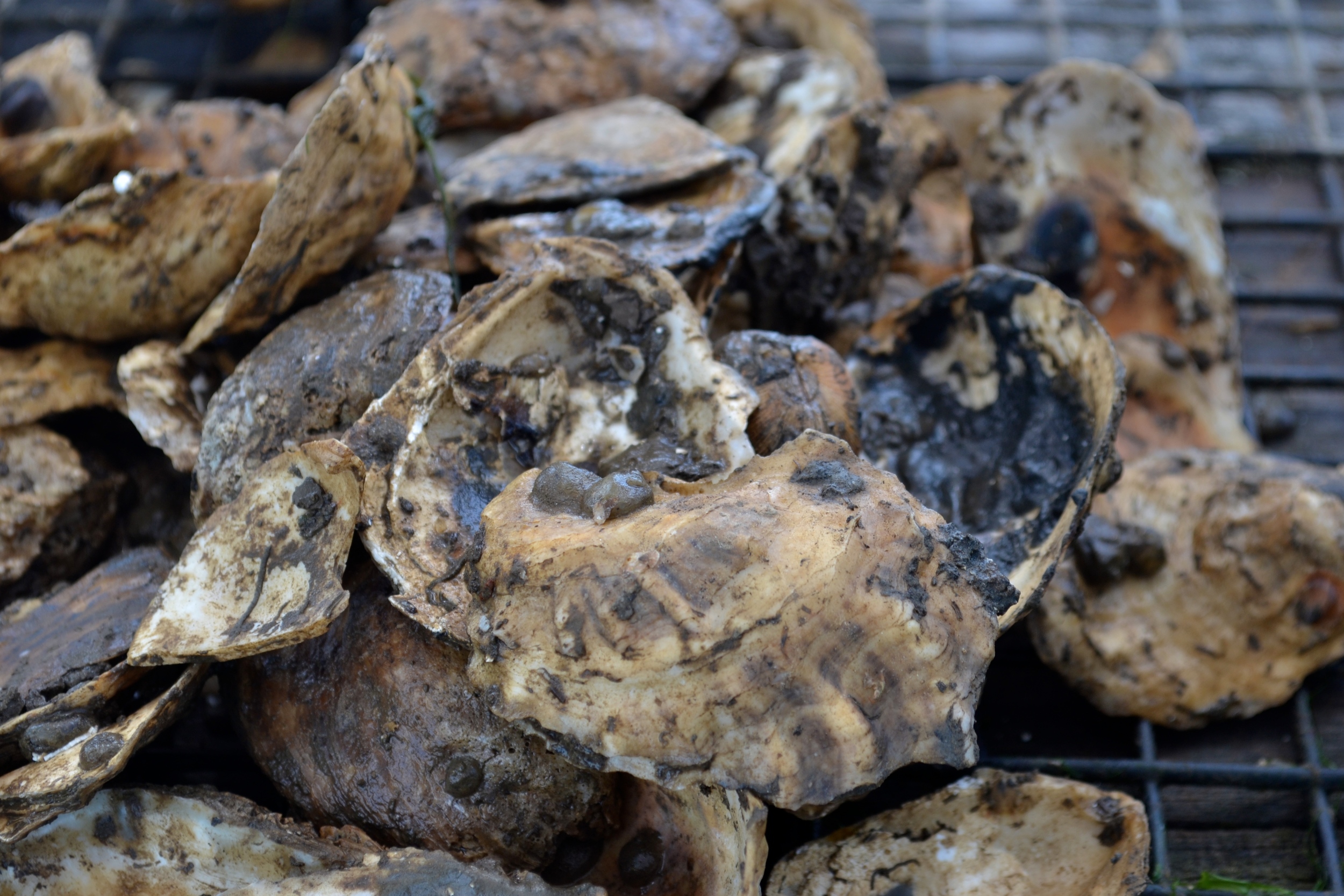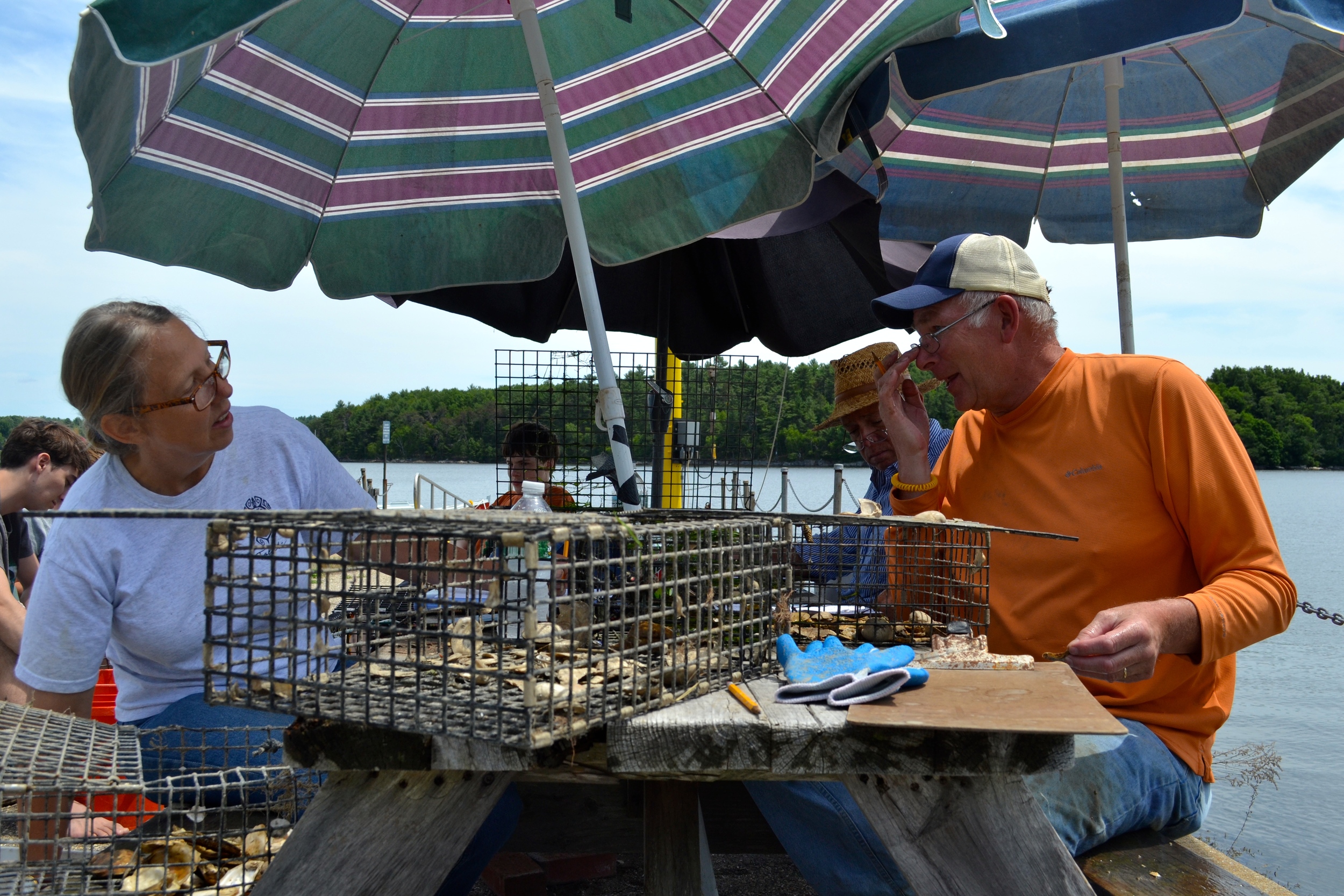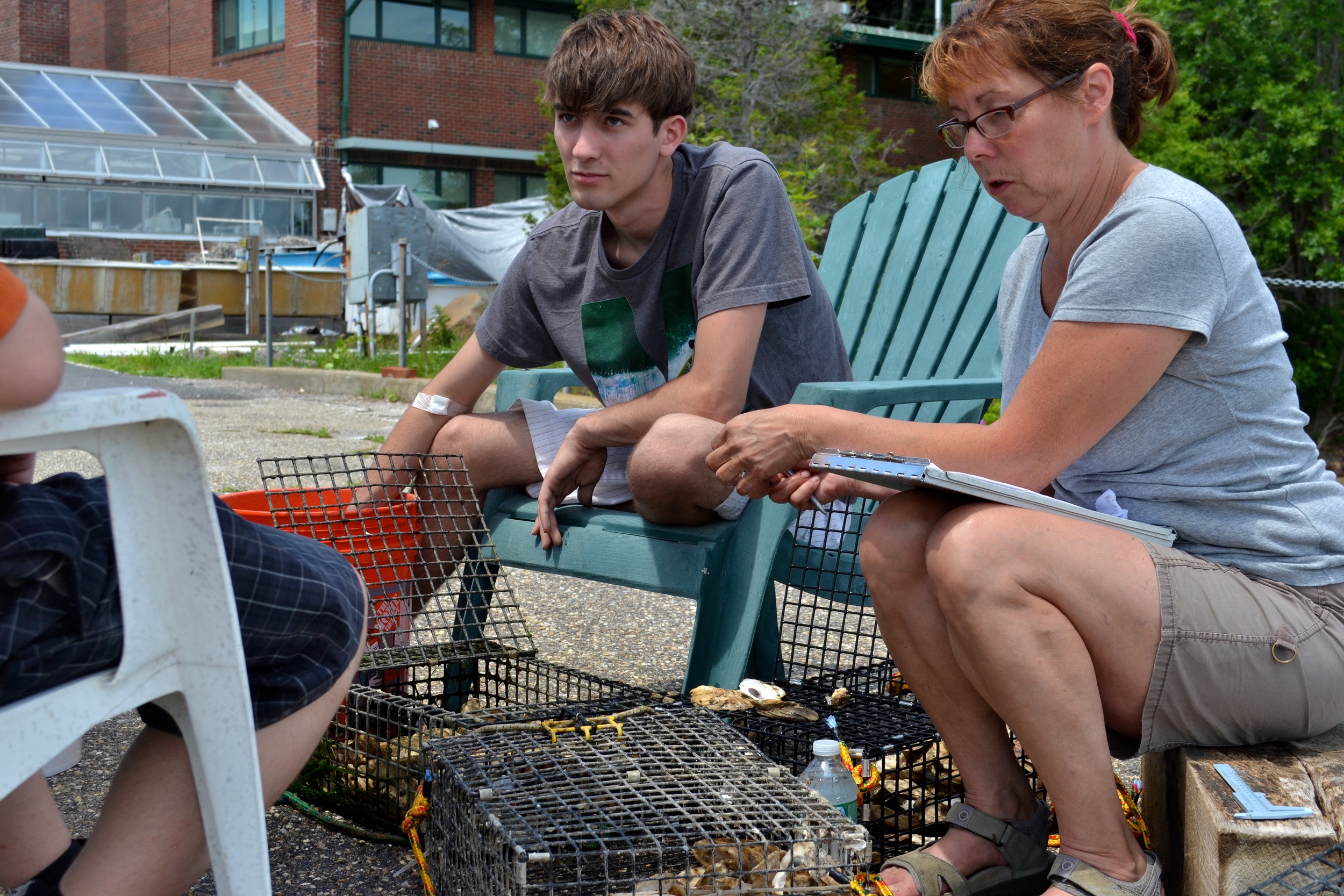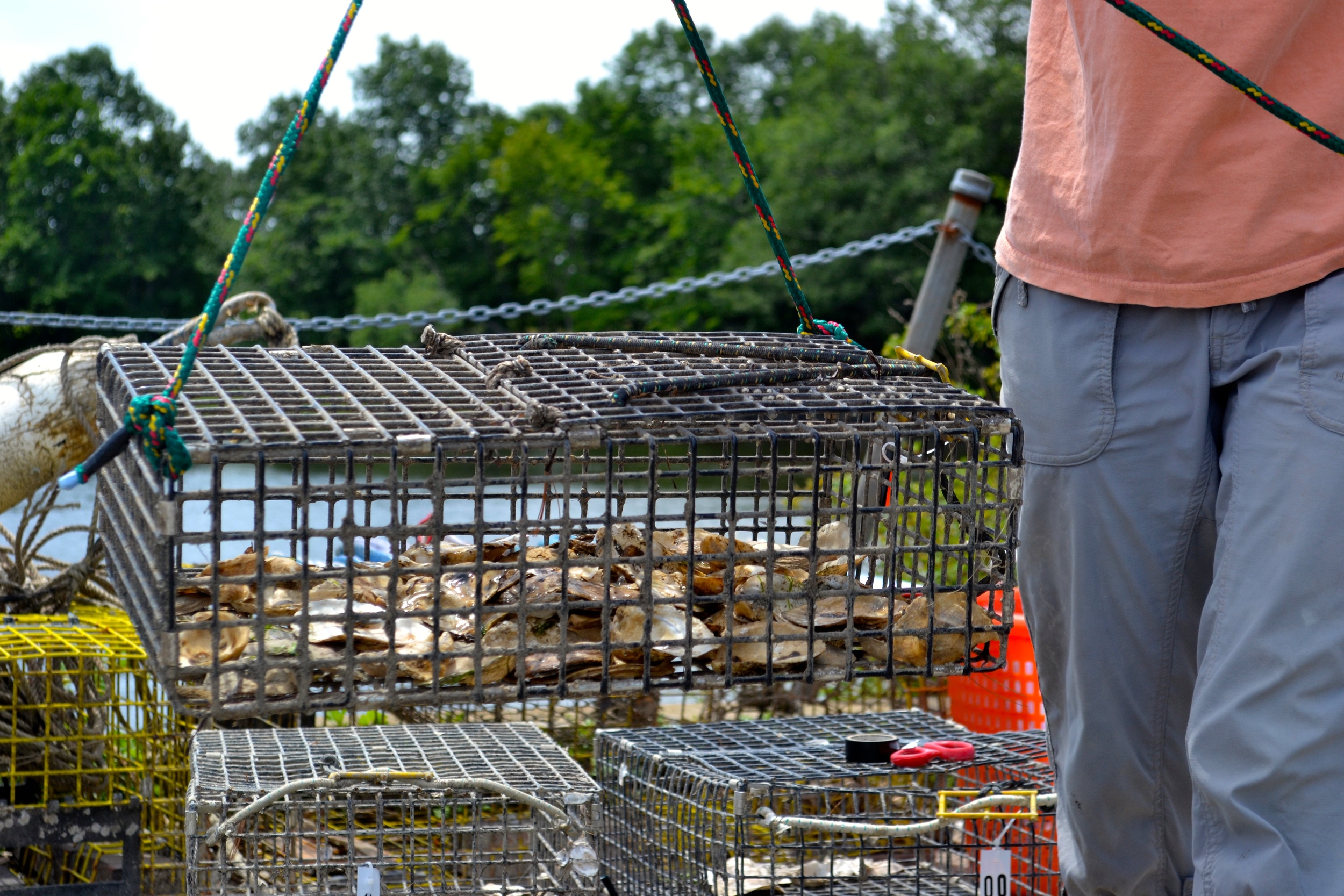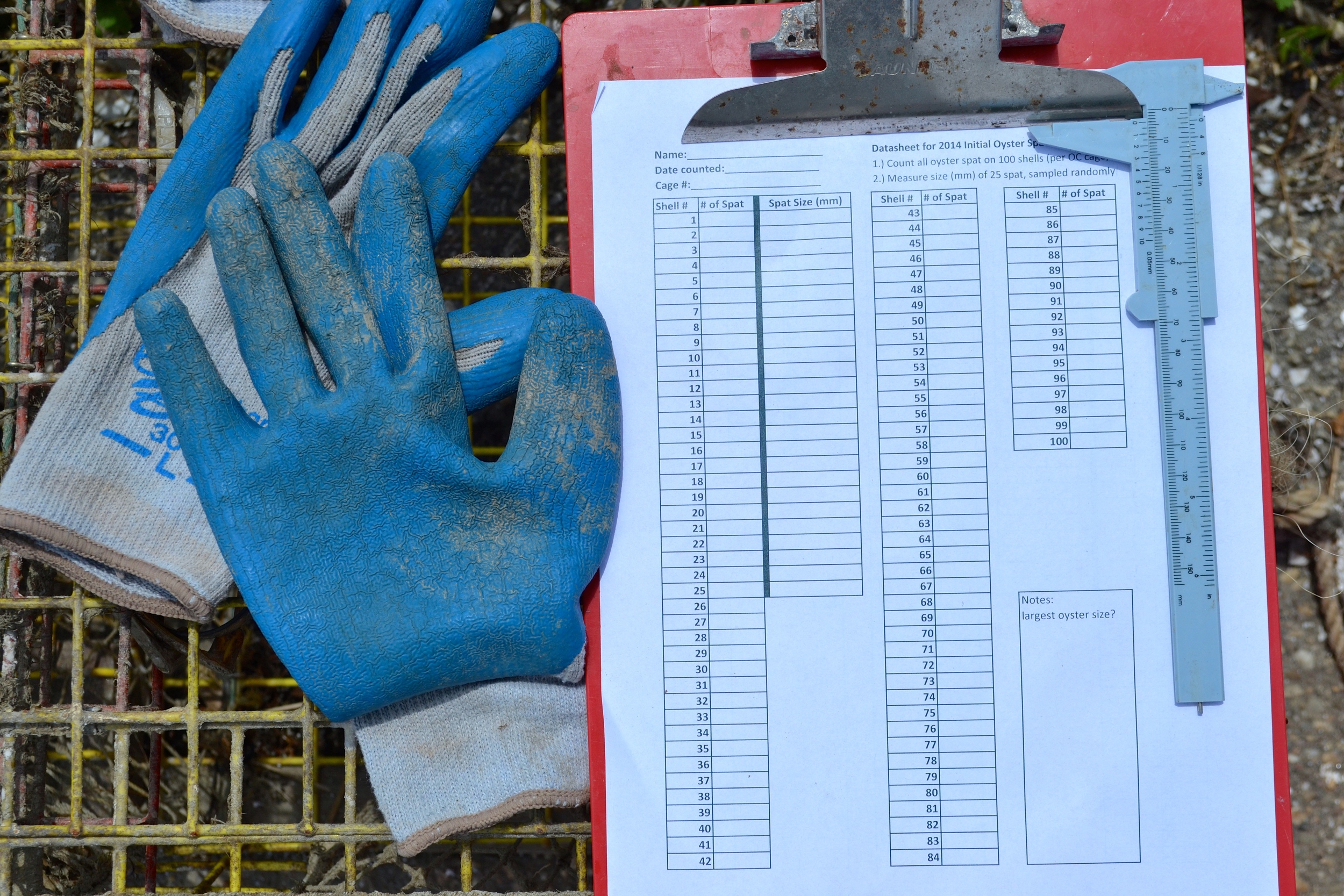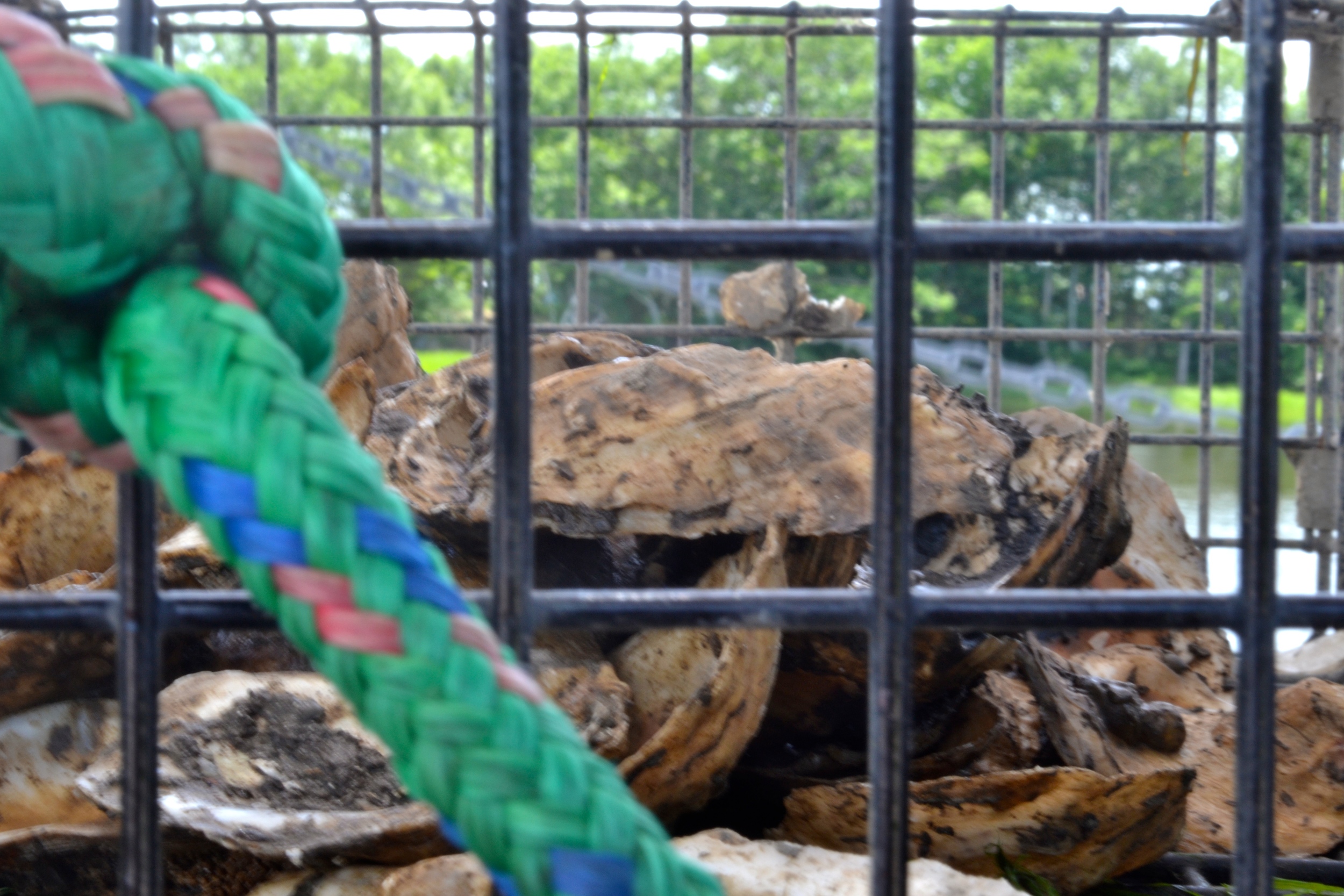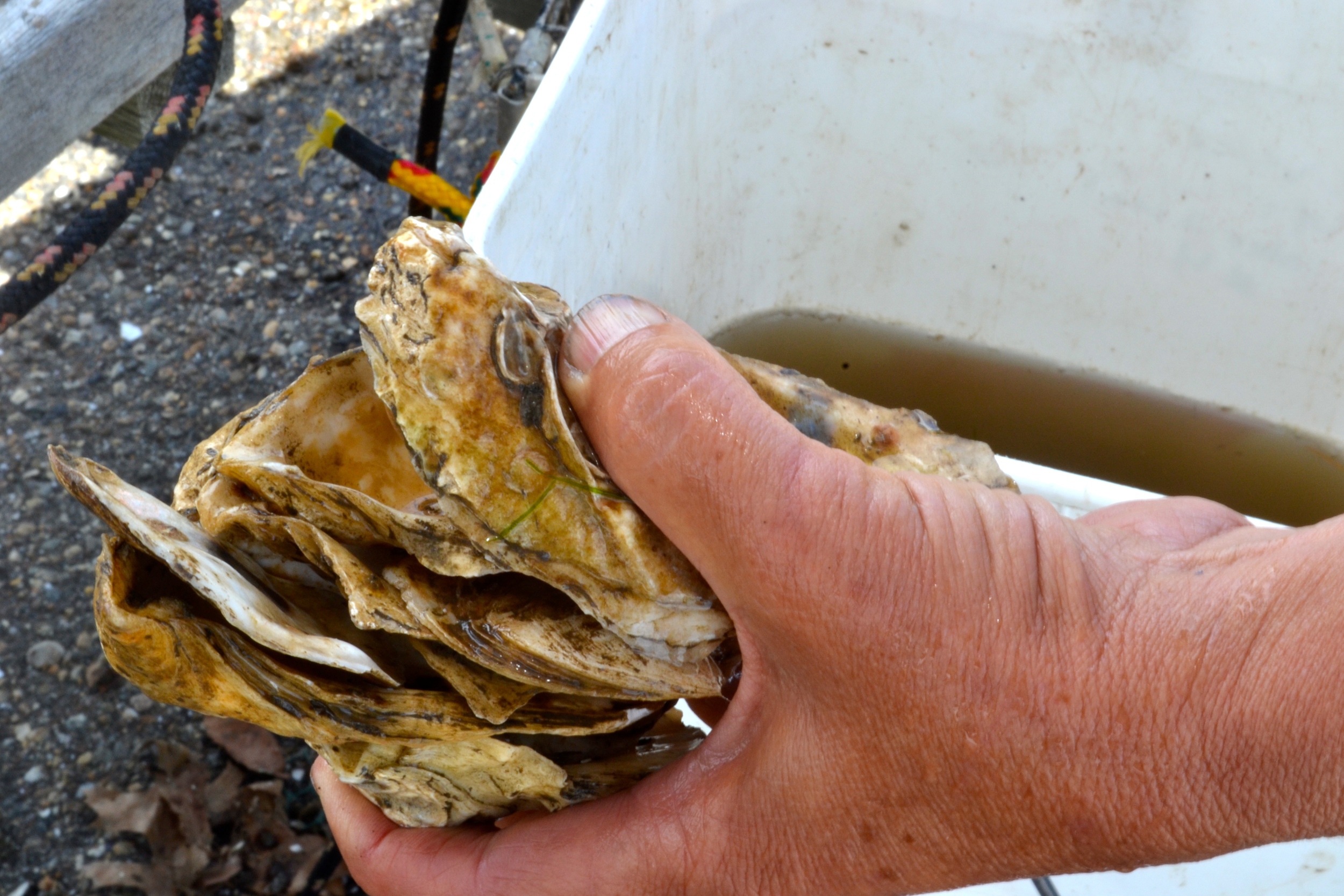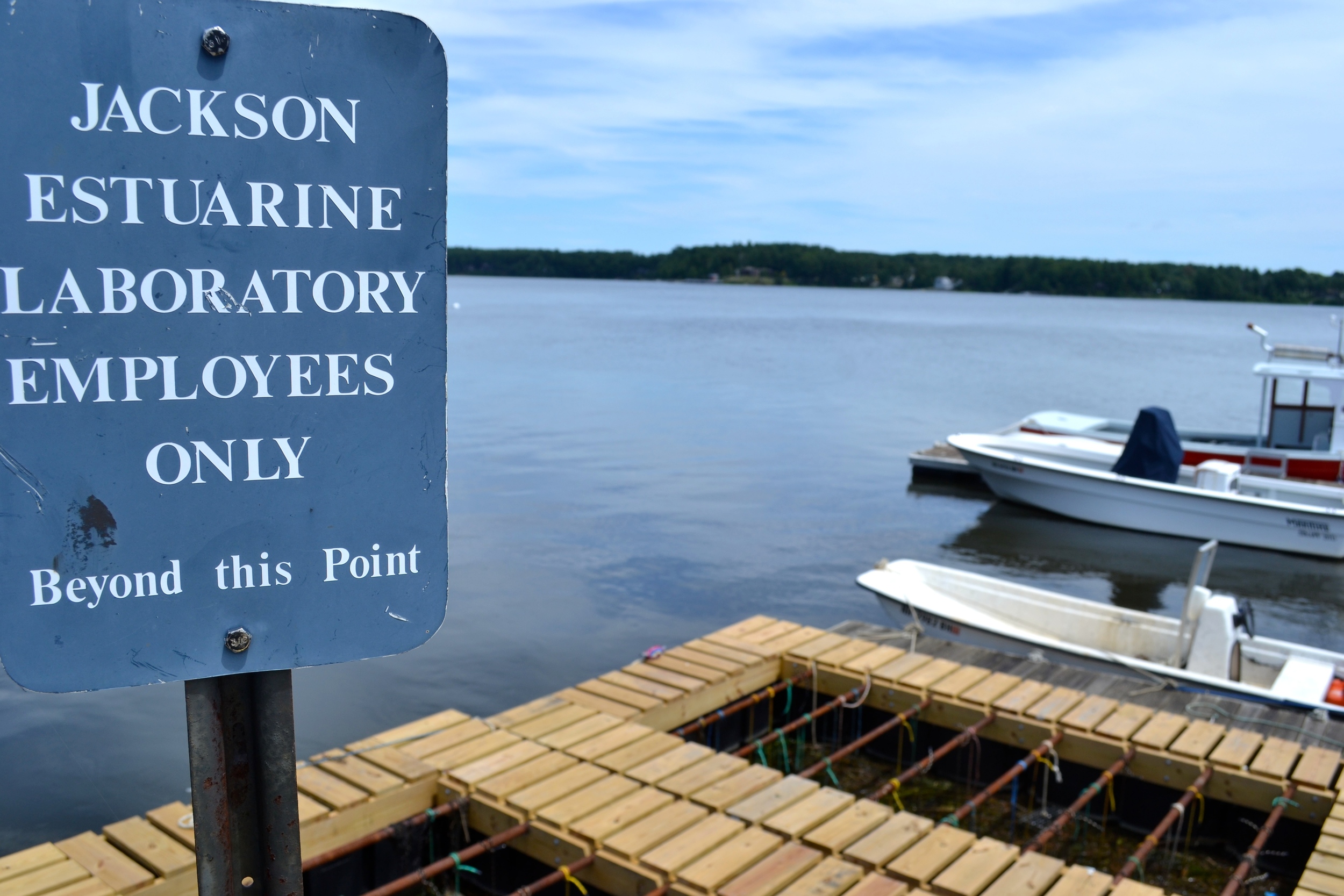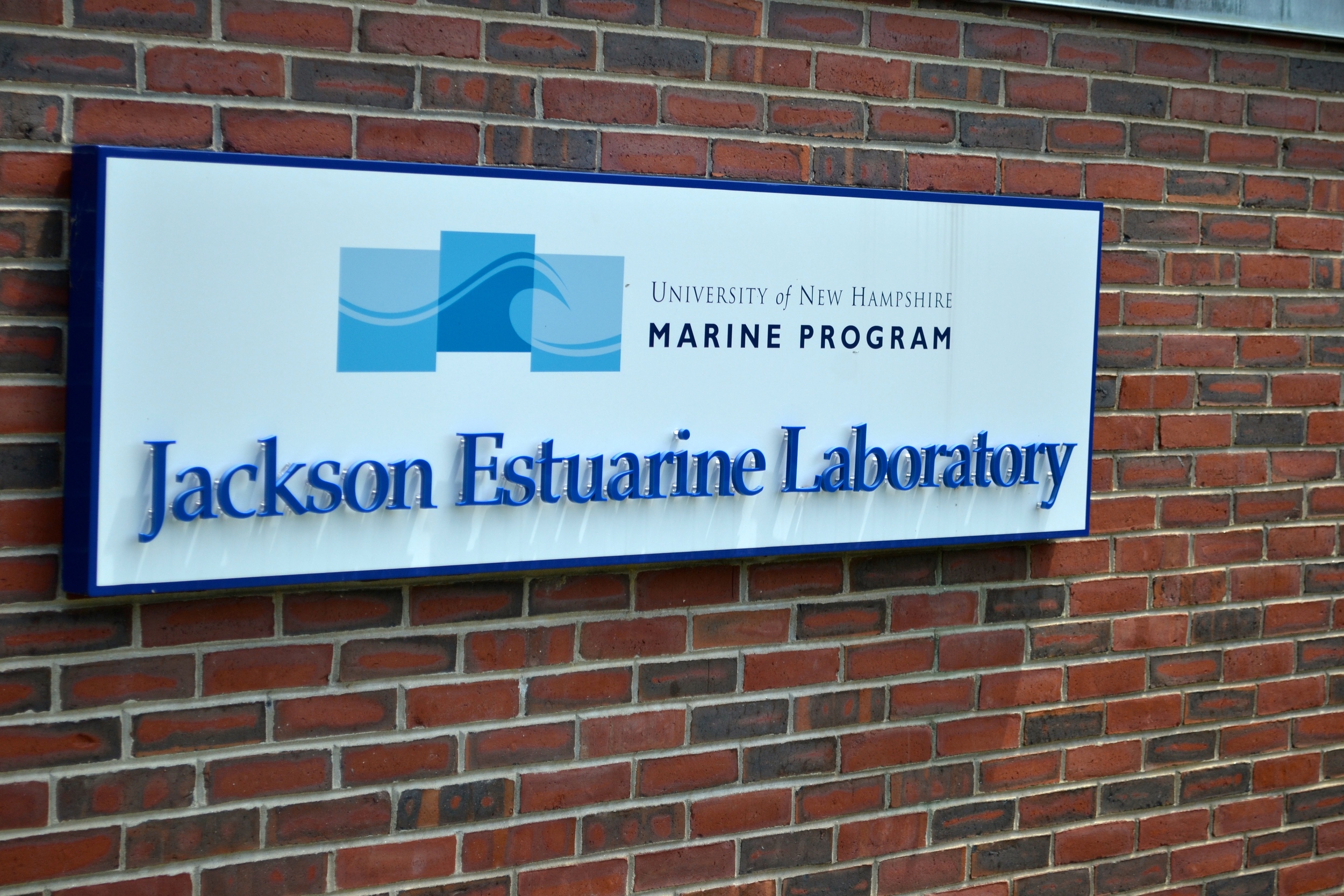

Although a majority of our projects are completed in the Lakes Region, this past July we were able to spend a morning at the UNH Jackson Estuarine Laboratory on the shores of the Great Bay in Durham to help count oyster spats. Curious what an oyster spat is? Well, it's a baby oyster and UNH has teamed up the The Nature Conservancy and volunteer Oyster Conservationist to help repopulate this body of water with oysters. Great Bay had a long tradition of large populations of oysters that helped filter and clean the waters. The oysters were key to the health of the estuary. During the 1980s a deadly disease was introduced to the region that destroyed most of the oyster beds. Now about 8 years underway there is a community effort to restore the oyster population. We helped by volunteering a few hours on a sunny morning to count oyster spats that will be delivered to local homeowners that will monitor their growth. If you are interested in volunteering with the Great Bay Oyster Restoration program or other environmental stewardship programs, reach out to the New England Stewardship Network.